caring for your biochar projects to boost soil vitality
Biochar is an incredible addition to any gardening or landscaping project, known for its ability to improve soil structure, retain moisture, and enhance nutrient availability. However, the success of your biochar initiative relies on proper care and maintenance. In 2026, it is essential to understand how to manage your biochar projects effectively to maximise their benefits for soil vitality.
Understanding Biochar Properties
Biochar is made from organic materials subjected to high temperatures in a low-oxygen environment, resulting in a stable carbon-rich product. It improves soil texture and creates a conducive environment for beneficial microorganisms. Regularly assessing the quality of your biochar is crucial. Ensure it is finely crushed to increase its surface area, promoting better absorption of nutrients and moisture.
Integrating Biochar into Your Soil
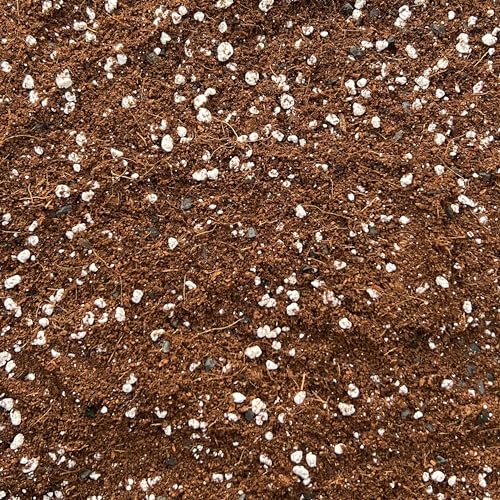
When integrating biochar into your soil, consider the application rate. A common guideline suggests mixing 10 to 20 per cent biochar with existing soil. It is advisable to do this before planting. To ensure optimal results, pre-condition your biochar by soaking it in water or compost tea for 24 to 48 hours before application. This process allows the biochar to absorb nutrients and microbial life, enhancing its ability to boost soil vitality.
People Also Look For:
- Sustainable Fertilizers: Utilizing Biomass Ashes and Biochars: Transforming Waste into Agricultural Products (SpringerBriefs in Ap...
- Premium Succulent & Cacti Potting Mix with Activated Biochar – Free-Draining Soil for Indoor & Outdoor Cactus & Succulent P...
- Elixir Gardens BioChar Organic Soil Improver, Enricher & Conditioner | Active Carbon Charcoal Topsoil & Compost Enchancer for Plan...
- Elixir Gardens BioChar Organic Soil Improver, Enricher & Conditioner | Active Carbon Charcoal Topsoil & Compost Enchancer for Plan...
- Premium Houseplant Potting Mix with activated Biochar, PEAT-FREE potting soil for indoor plants (5L)
Monitoring Soil pH Levels
One significant aspect of maintaining your biochar project is monitoring soil pH levels. Biochar typically has a high pH, which can affect the overall acidity of your soil. Regular soil tests should be conducted to determine pH levels and adjust accordingly. If your soil becomes too alkaline, introducing organic matter, such as compost or leaf mould, can help balance the pH levels.
Watering Practices
To maximise the benefits of your biochar-enhanced soil, adopt effective watering practices. Biochar increases water retention, but it still requires adequate moisture to perform optimally. During dry spells, ensure your plants receive sufficient water while avoiding waterlogging. A good practice is to establish a drip irrigation system that ensures consistent moisture levels without saturating the soil.
Encouraging Beneficial Microorganisms
The health of your biochar project is closely tied to the microbial population in your soil. Encourage these beneficial microorganisms by adding organic matter regularly, such as compost or mulch. This practice not only provides nutrients but also creates a diverse habitat for microorganisms to thrive. Additionally, avoid using chemical fertilizers and pesticides, as they can harm these essential organisms.
Regular Maintenance and Assessment
Seasonal Adjustments
Different seasons may require distinct approaches to biochar maintenance. In spring, adding a fresh layer of compost can enhance nutrient availability. During autumn, consider incorporating leaf litter or other organic materials into the soil, along with a top layer of biochar, to prepare the soil for winter and enhance microbial activity during the colder months.
Collaborating with Local Experts
Engaging with local agricultural extensions or community gardening groups can provide invaluable insights for your biochar projects. Local experts often have experience with regional soil types and climatic conditions, which can significantly impact your results. Participating in workshops or forums can also help you stay informed about the latest biochar research and best practices.